
How to compare home and auto insurance bundles – Comparing home and auto insurance bundles is a crucial step towards securing comprehensive coverage while optimizing costs. This guide will provide you with a thorough understanding of the factors to consider when evaluating different bundles, ensuring you make an informed decision that aligns with your specific needs and budget.
Throughout this discussion, we will delve into the various types of coverage included in bundles, analyze cost breakdowns and savings strategies, and explore the convenience and accessibility of managing multiple policies through a single provider. Additionally, we will highlight any additional benefits or discounts associated with bundles, detail exclusions and limitations, and discuss customization options to tailor coverage to your unique requirements.
Coverage Comparison
Home and auto insurance bundles offer a convenient and potentially cost-effective way to protect your home, vehicle, and belongings. However, it’s important to understand the types of coverage included in these bundles and compare them to ensure you’re getting the right level of protection for your needs.
Home Insurance Coverage
Home insurance policies typically include coverage for the following:
- Dwelling coverage: Protects the structure of your home, including the roof, walls, and foundation.
- Personal property coverage: Covers your belongings, such as furniture, clothing, and electronics.
- Liability coverage: Protects you from financial responsibility if someone is injured or their property is damaged on your property.
- Additional living expenses coverage: Pays for additional costs, such as hotel and food, if you’re unable to live in your home due to a covered loss.
Auto Insurance Coverage
Auto insurance policies typically include coverage for the following:
- Liability coverage: Protects you from financial responsibility if you cause an accident that results in injury or property damage.
- Collision coverage: Covers damage to your vehicle if you’re involved in an accident with another vehicle or object.
- Comprehensive coverage: Covers damage to your vehicle from non-collision events, such as theft, vandalism, or weather damage.
- Uninsured/underinsured motorist coverage: Protects you from financial loss if you’re involved in an accident with a driver who doesn’t have insurance or doesn’t have enough insurance to cover your damages.
Comparing Coverage Levels
When comparing home and auto insurance bundles, it’s important to consider the level of protection offered by each bundle. Some bundles may offer higher limits of coverage than others, which can impact the amount of financial protection you have in the event of a loss.
For example, one bundle may offer $200,000 in dwelling coverage, while another bundle may offer $300,000. If your home is worth $300,000, you would need to choose the bundle with the higher coverage limit to ensure you’re fully protected in the event of a total loss.
Cost Analysis
Understanding the cost factors and breakdown of home and auto insurance bundles is crucial for informed decision-making. This section analyzes the variables that impact premiums and explores strategies to minimize costs.
The cost of home and auto insurance bundles is determined by a combination of factors, including:
- Coverage Level: The extent of coverage you select, such as the amount of dwelling coverage for your home or the liability limits for your auto, directly influences the premium.
- Deductibles: The amount you agree to pay out-of-pocket before insurance coverage kicks in. Higher deductibles generally lower premiums.
- Property Value and Location: The value of your home and its location (crime rate, natural disaster risk) affect the cost of homeowners insurance.
- Driving History and Vehicle Type: Your driving record, the type of vehicle you own, and the miles you drive annually impact auto insurance premiums.
- Claims History: Previous insurance claims can increase premiums, as they indicate a higher risk.
- Discounts: Many insurance companies offer discounts for bundling policies, installing security devices, and maintaining a good credit score.
Premium Cost Breakdown
Premiums for home and auto insurance bundles typically include the following components:
- Base Rate: The insurer’s standard premium for the coverage you select, based on the factors discussed above.
- Surcharges: Additional charges for specific risks, such as having a swimming pool or owning a high-performance vehicle.
- Taxes and Fees: Government-imposed taxes and fees that are added to the premium.
Bundling vs. Separate Policies
Comparing the cost of bundling versus purchasing separate policies is essential for finding the most cost-effective option.
- Bundling Advantages:
- Convenience: Managing multiple policies with one insurer is easier.
- Potential Savings: Bundling often results in lower premiums due to insurer discounts.
- Bundling Disadvantages:
- Limited Coverage Options: Bundles may not offer the same level of customization as separate policies.
- Higher Premiums: In some cases, bundling can lead to higher premiums if the individual policies would have been cheaper separately.
Convenience and Accessibility
Bundling home and auto insurance policies with a single provider offers significant convenience and accessibility benefits. It simplifies policy management, provides easy access to customer service, and enhances the overall user experience.
Single-Provider Convenience
Managing multiple insurance policies through different providers can be time-consuming and confusing. Bundling with a single provider eliminates this hassle by consolidating all policies under one roof. This allows policyholders to view, update, and manage their coverage effortlessly from a single platform, saving them time and effort.
Streamlined Customer Service
Bundling with a single provider also streamlines access to customer service. Policyholders can contact a single point of contact for all their insurance needs, whether it’s inquiries, claims processing, or policy modifications. This eliminates the need to deal with multiple representatives and simplifies the communication process, ensuring prompt and efficient service.
Enhanced User Experience
Insurance companies offer varying levels of user experience through their online platforms and mobile apps. Bundling with a provider that offers a user-friendly interface, seamless navigation, and quick access to information enhances the overall insurance experience. Policyholders can easily access policy details, submit claims, and communicate with customer service representatives from the convenience of their devices.
Additional Benefits
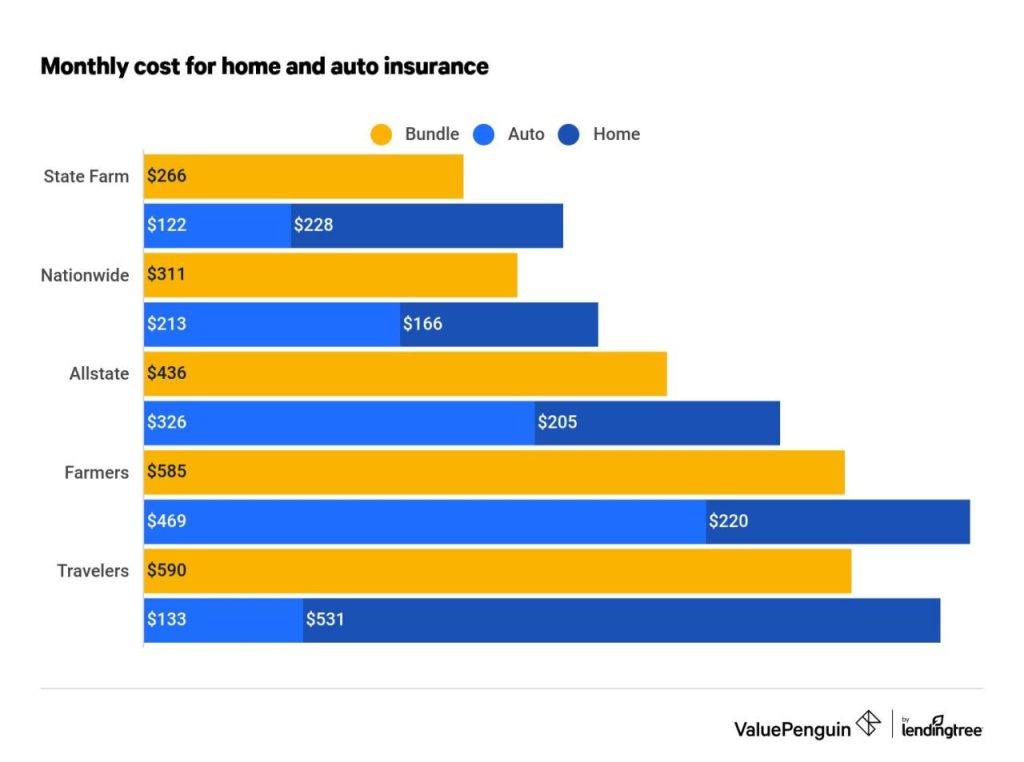
Home and auto insurance bundles often include additional benefits that can enhance your coverage and provide extra value for your money.
These benefits may vary depending on the provider and the specific bundle you choose, but some common examples include:
Discounts
- Multi-policy discounts: Many insurers offer discounts for bundling your home and auto insurance policies together. These discounts can range from 5% to 25% or more.
- Other discounts: Some insurers may also offer discounts for other factors, such as being a loyal customer, having a good driving record, or installing security features in your home.
Additional Coverage
- Personal property coverage: This coverage protects your personal belongings, such as furniture, electronics, and clothing, in the event of a covered loss.
- Liability coverage: This coverage protects you from financial liability if someone is injured or their property is damaged as a result of your negligence.
- Additional living expenses coverage: This coverage reimburses you for additional living expenses, such as hotel bills and restaurant meals, if you are unable to live in your home due to a covered loss.
Customization Options
Home and auto insurance bundles offer a high degree of flexibility, allowing you to tailor your coverage to your specific needs and preferences.
You can choose from a wide range of coverage options, including dwelling coverage, personal property coverage, liability coverage, and medical payments coverage for your home insurance. For auto insurance, you can select coverage options such as collision, comprehensive, liability, and uninsured/underinsured motorist coverage.
Level of Customization
The level of customization offered by different insurance companies varies. Some companies provide a basic level of customization, while others allow you to customize your coverage down to the smallest detail.
- Basic customization: This level of customization allows you to choose from a few pre-defined coverage options.
- Advanced customization: This level of customization gives you the flexibility to select individual coverage options and adjust the limits and deductibles to meet your specific needs.
Claims Handling: How To Compare Home And Auto Insurance Bundles
When comparing home and auto insurance bundles, it is essential to consider the claims handling process. This includes the ease of filing a claim, the timeframe for settlement, and the efficiency and customer satisfaction of different insurance companies.
Filing a Claim
The process of filing a claim for a home and auto insurance bundle typically involves the following steps:
- Contacting the insurance company and providing details of the incident.
- Submitting a formal claim form, either online or by mail.
- Providing supporting documentation, such as police reports, repair estimates, or medical records.
Claim Settlement
The timeframe for claim settlement varies depending on the complexity of the claim and the insurance company’s processing time. However, most insurance companies aim to settle claims within 30 to 60 days.
Efficiency and Customer Satisfaction
The efficiency and customer satisfaction of an insurance company’s claims handling process can be assessed through online reviews, consumer reports, and industry rankings. It is important to choose an insurance company with a reputation for handling claims fairly and efficiently.
Financial Stability
Assessing the financial stability of insurance companies is crucial to ensure that they have the financial capacity to fulfill their obligations to policyholders. Consider the following factors when evaluating financial stability:
- Financial Ratings: Reputable agencies like AM Best, Moody’s, and Standard & Poor’s provide financial ratings that indicate an insurance company’s ability to meet its financial commitments.
- Track Record: Examine the company’s history of financial performance, including its claims-paying ability, underwriting results, and investment returns.
- Size and Diversification: Larger insurance companies with a diversified portfolio of businesses tend to have greater financial stability.
Compare Financial Ratings
Compare the financial ratings of different insurance companies to gauge their financial strength. Top-rated companies generally indicate a higher level of financial stability and reliability.
Reputation and Customer Reviews

Evaluating the reputation and customer reviews of insurance companies is essential for making an informed decision. Positive reviews indicate a history of satisfied customers, while negative reviews may highlight areas where the company falls short.
To find customer feedback, consult online review platforms, consumer protection agencies, and industry publications. Pay attention to the frequency and severity of complaints, as well as the company’s response to negative feedback.
Online Presence and Customer Satisfaction Ratings
An insurance company’s online presence can provide insights into its customer service and overall reputation. Look for a company with an active social media presence, positive online reviews, and high customer satisfaction ratings from reputable organizations.
Availability and Eligibility
The availability of home and auto insurance bundles varies across different regions and insurance companies. Some insurers may offer bundles only in certain states or areas, while others may have a wider reach.
Eligibility for home and auto insurance bundles may also depend on individual factors such as age, driving history, and property ownership status. Some companies may have specific age restrictions or driving record requirements for bundle eligibility. Additionally, homeowners or renters may need to meet certain criteria, such as property value or construction type, to qualify for a bundle.
Company Comparison, How to compare home and auto insurance bundles
Different insurance companies may have varying availability and eligibility criteria for their home and auto insurance bundles. It is important to compare the offerings of multiple insurers to find the best fit for individual needs and circumstances.
Design a Table
To provide a comprehensive overview of the key features and benefits of different home and auto insurance bundles, it is helpful to create a comparative table. This table will allow you to easily compare the coverage, cost, convenience, and other relevant factors side-by-side, making it easier to make an informed decision.
When designing the table, it is important to use clear and concise language to present the information in an organized and easy-to-read format. The table should include the following columns:
Columns to Include
- Coverage: This column should list the types of coverage included in each bundle, such as dwelling coverage, personal property coverage, liability coverage, and additional living expenses coverage.
- Cost: This column should list the annual premiums for each bundle, as well as any discounts or surcharges that may apply.
- Convenience: This column should describe the convenience features of each bundle, such as online account management, mobile apps, and 24/7 customer service.
- Other Relevant Factors: This column can include any other factors that are important to you, such as the financial stability of the insurance company, the reputation of the company, and the availability of additional benefits.
Your point of view caught my eye and was very interesting. Thanks. I have a question for you. https://accounts.binance.info/register-person?ref=IXBIAFVY
Your point of view caught my eye and was very interesting. Thanks. I have a question for you.
I don’t think the title of your article matches the content lol. Just kidding, mainly because I had some doubts after reading the article. https://www.binance.com/register?ref=IXBIAFVY
Your point of view caught my eye and was very interesting. Thanks. I have a question for you. https://accounts.binance.com/ph/register?ref=IU36GZC4
Can you be more specific about the content of your article? After reading it, I still have some doubts. Hope you can help me. https://www.binance.com/register?ref=IHJUI7TF
Thank you for your sharing. I am worried that I lack creative ideas. It is your article that makes me full of hope. Thank you. But, I have a question, can you help me?
Thanks for sharing. I read many of your blog posts, cool, your blog is very good. https://www.binance.bh/es/futures/ref?code=RQUR4BEO
Thank you for your sharing. I am worried that I lack creative ideas. It is your article that makes me full of hope. Thank you. But, I have a question, can you help me?
Your article helped me a lot, is there any more related content? Thanks!